Symphony for strings n. 12 in G minor
Stabat mater
Riccardo Bisatti – Easter Concert
What’s on
Cast
Conductor
Soprano
Mezzo Soprano
Orchestra
Description
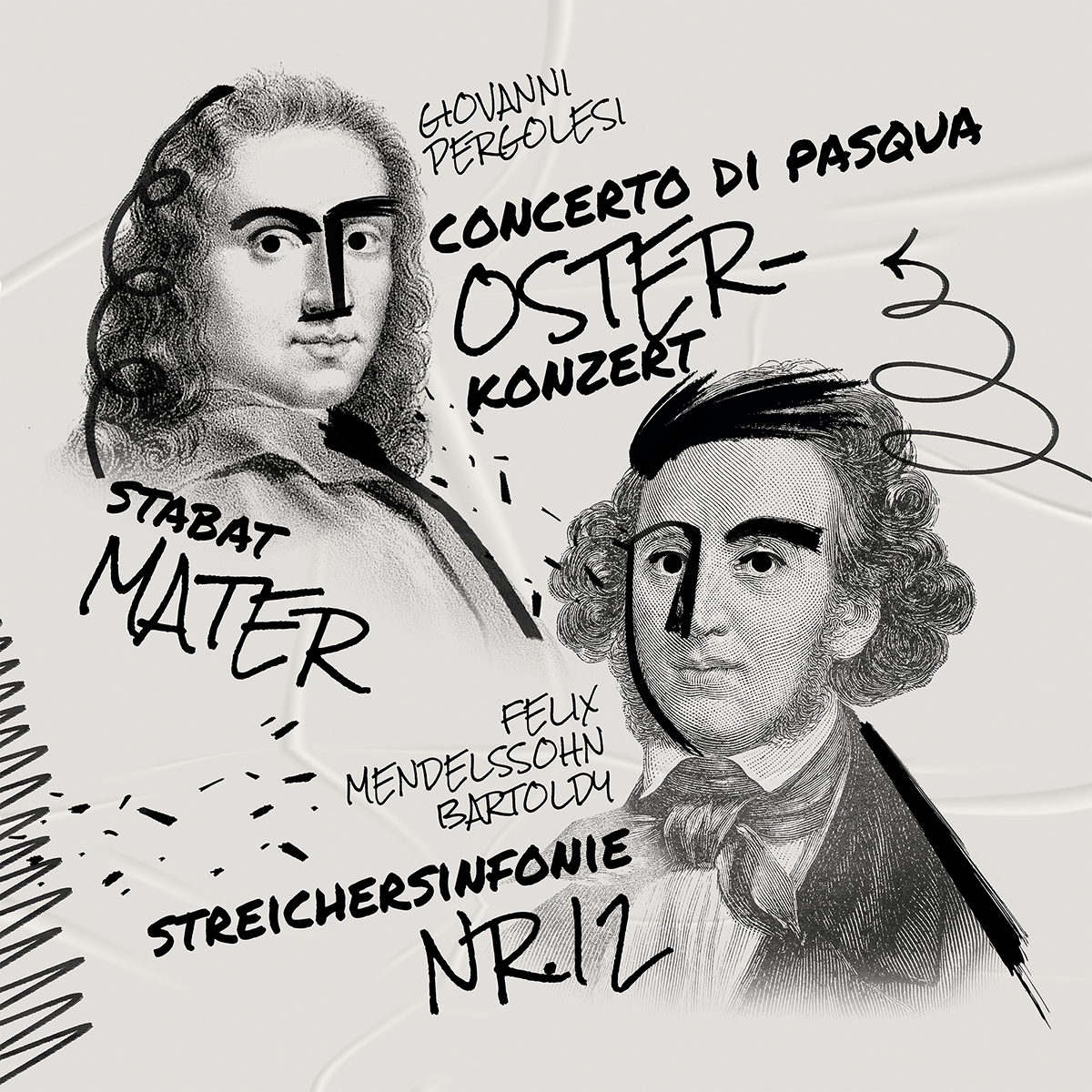
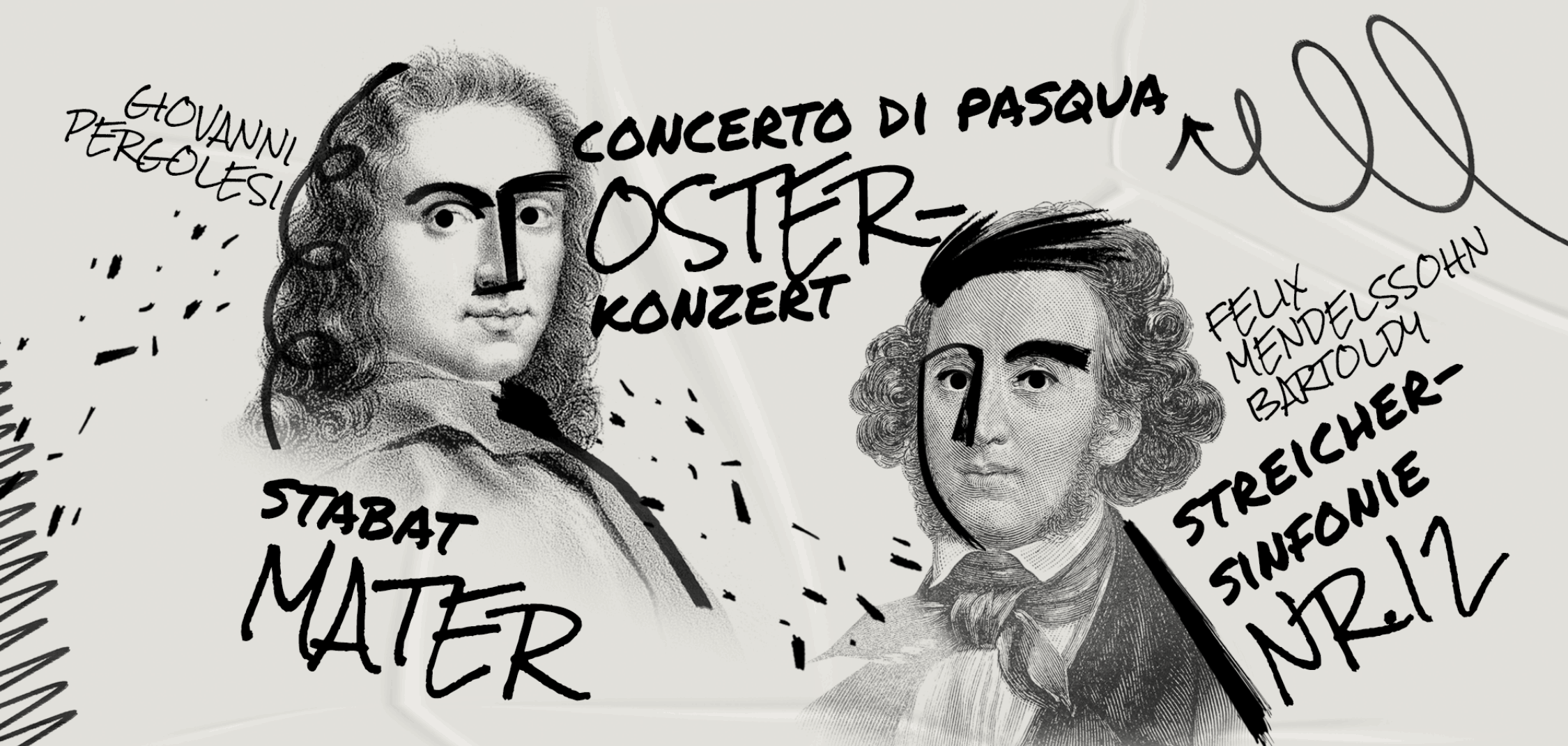
During Holy Week, Fondazione Haydn Stiftung of Bolzano and Trento presents one of the most striking works of sacred music: the Stabat Mater by Giovanni Battista Pergolesi. Written in 1736, shortly before the composer’s early death at just 26, it remains to this day one of the most moving musical settings of this text. Among the most profound and moving texts of the Christian tradition, the Stabat Mater is a meditation on Mary’s sorrow at the foot of the Cross – a theme that has inspired many composers over the centuries. Pergolesi’s version is regarded as an exceptionally intimate interpretation: clear in its musical line, immediate in its expressive power, and sustained by a strong emotional presence. Since its premiere, Pergolesi’s Stabat Mater has been considered a turning point in 18th-century sacred music. Although the composer uses the same vocal and instrumental ensemble as Alessandro Scarlatti, he opens up a new, more direct and more sensitive musical language that marks an important stylistic new beginning. The program is complemented by Symphony No. 12 for strings by Felix Mendelssohn, the final work in the cycle of twelve early symphonies composed between 1821 and 1823. Mendelssohn, then barely older than ten, wrote these pieces as exercises during his studies with Carl Zelter. Here the term “symphony” refers less to the size of the ensemble than to the style: originally the works were performed in small chamber groups – two violins, two violas, cello, and bass – at private concerts in the Mendelssohn family home in Berlin.
IMPORTANT INFORMATION: There has been a last-minute change to today’s concert conducted by Riccardo Bisatti: it will not take place at the Dominican Church, but has been moved to the Bolzano Concert Hall. The start time remains unchanged (8.00 pm). Thank you for your understanding.
IMPORTANT INFORMATION: There has been a last-minute change to today’s concert conducted by Riccardo Bisatti: it will not take place at the Dominican Church, but has been moved to the Bolzano Concert Hall. The start time remains unchanged (8.00 pm). Thank you for your understanding.
Find out more
Ticket information
20€/15€/8€
Tickets may be purchased online or at the box office one hour before the concert.